



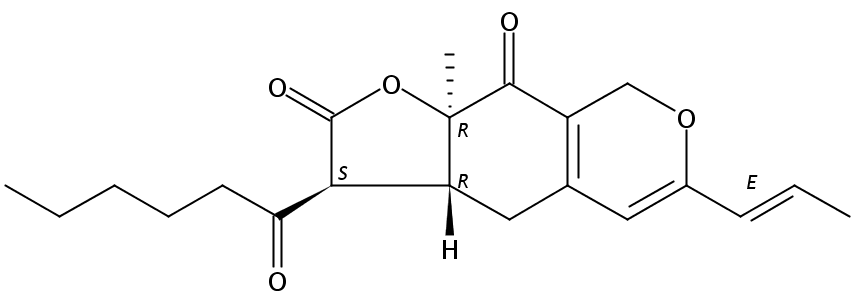

Monascin

APC-1166
Monascin
Cat. No.
APC-1166
CAS No.
21516-68-7
MF
C21H26O5
MW
358.43
Monascin is a kind of azaphilonoid pigments extracted from Monascus pilosus-fermented rice. Monascin is a Nrf2 activator and PPARγ agonist.
 Technical Service
 Need help? Our team of experienced experts is here for you with full support.
 86-28-85159085
 info@aktin.com
Technical Data
Description
Storage and Shipping
References
Product Name
CAS No.
21516-68-7
MF
C21H26O5
MW
358.43
Specification
98%
Research Area
Anti-inflammatory, anti-obesity, and cholesterol-lowering
Description
Monascin is a kind of azaphilonoid pigments extracted from Monascus pilosus-fermented rice. Monascin is a Nrf2 activator and PPARγ agonist.
Packing: 10mg, 20mg, 50mg, 100mg, 500mg, 1g, 5g, 10g
Availability: In stock
Documents
Certificate of Analysis (COA), Specification Sheet, HPLC, 1HNMR, 13CNMR, IR, MS, Safety Data Sheet (SDS/MSDS) etc.
Storage and Shipping
Store under frozen or refrigerated conditions, keep away from strong light and heat.
References
[1]. Akihisa T, et al. Anti-tumor-initiating effects of monascin, an azaphilonoid pigment from the extract of Monascus pilosus fermented rice (red-mold rice). Chem Biodivers. 2005 Oct;2(10):1305-9.
[2]. Lee CL, et al. Monascus fermentation of dioscorea for increasing the production of cholesterol-lowering agent--monacolin K and antiinflammation agent--monascin. Appl Microbiol Biotechnol. 2006 Oct;72(6):1254-62.
[3]. Shi YX, Chen WS. Monascin ameliorate inflammation in the lipopolysaccharide-induced BV-2 microglial cells via suppressing the NF-κB/p65 pathway. Iran J Basic Med Sci. 2020;23(4):461-468.
[4]. Hsu WH, et al. A novel natural Nrf2 activator with PPARγ-agonist (monascin) attenuates the toxicity of methylglyoxal and hyperglycemia. Toxicol Appl Pharmacol. 2013 Nov 1;272(3):842-51.
[2]. Lee CL, et al. Monascus fermentation of dioscorea for increasing the production of cholesterol-lowering agent--monacolin K and antiinflammation agent--monascin. Appl Microbiol Biotechnol. 2006 Oct;72(6):1254-62.
[3]. Shi YX, Chen WS. Monascin ameliorate inflammation in the lipopolysaccharide-induced BV-2 microglial cells via suppressing the NF-κB/p65 pathway. Iran J Basic Med Sci. 2020;23(4):461-468.
[4]. Hsu WH, et al. A novel natural Nrf2 activator with PPARγ-agonist (monascin) attenuates the toxicity of methylglyoxal and hyperglycemia. Toxicol Appl Pharmacol. 2013 Nov 1;272(3):842-51.
Disclaimer
This product is intended solely for scientific research or regulatory filing purposes. We do not provide products or services to individuals, please strictly comply with all applicable laws, regulations, and the committed use. Use for any other purpose is strictly prohibited.
Related Products


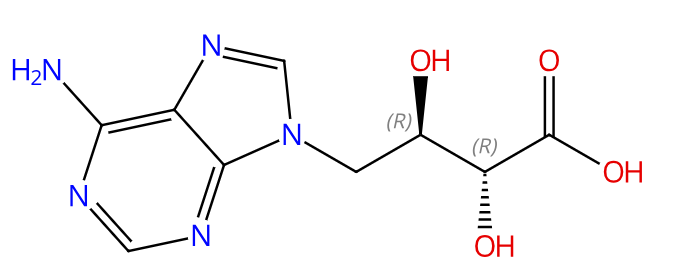
APC-1828
Eritadenine
CAS No.: 23918-98-1
MF: C9H11N5O4
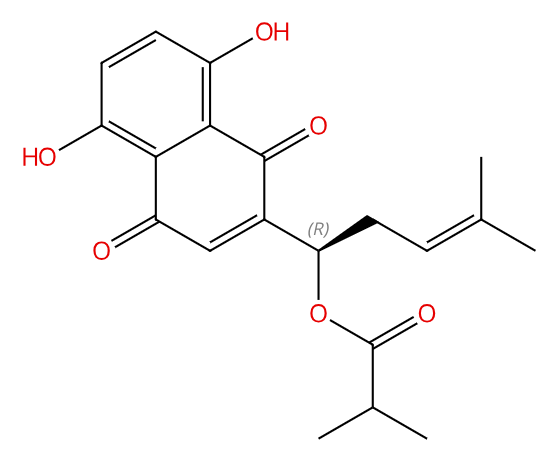
APC-1827
Isobutyrylshikonin
CAS No.:52438-12-7
MF:C20H22O6
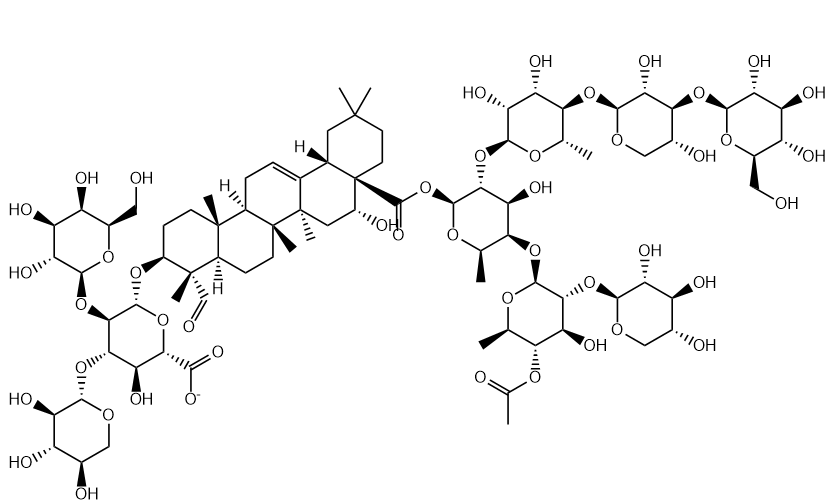
APC-1823
SO1861 (C28 sugar-chain positional isomer)
CAS No.:N/A
MF:C83H129O46
APC-1822
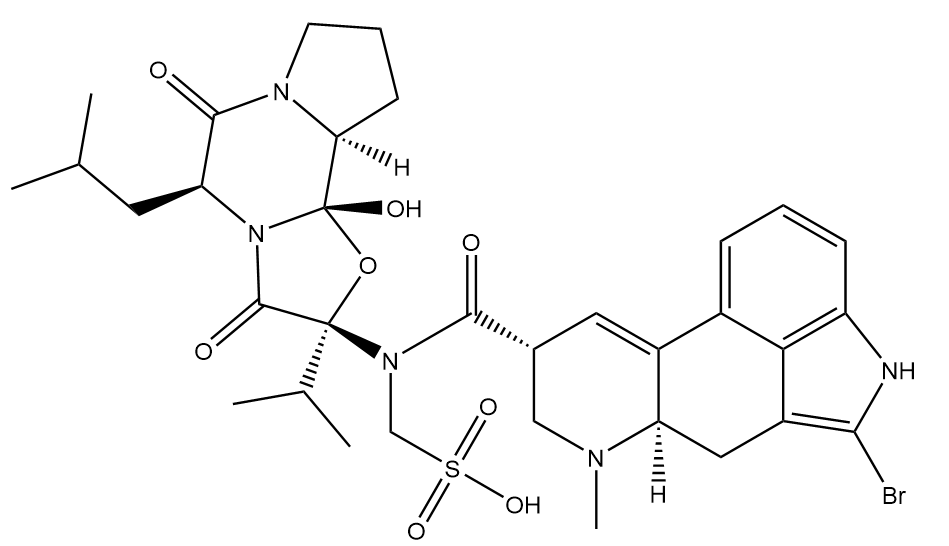
Bromocriptine mesylate
CAS No.:22260-51-1
MF:C32H40BrN5O5.CH4O3S
APC-1821
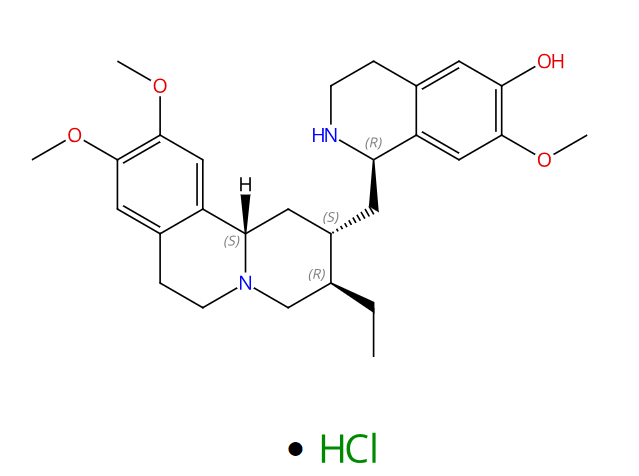
Cephaeline hydrochloride
CAS No.:3738-70-3
MF:C28H38N2O4.ClH
APC-1820
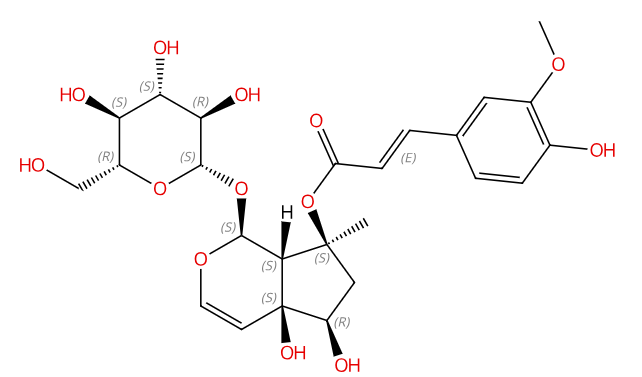
8-Feruloylharpagide
CAS No.:221003-20-9
MF:C25H32O13
APC-1819
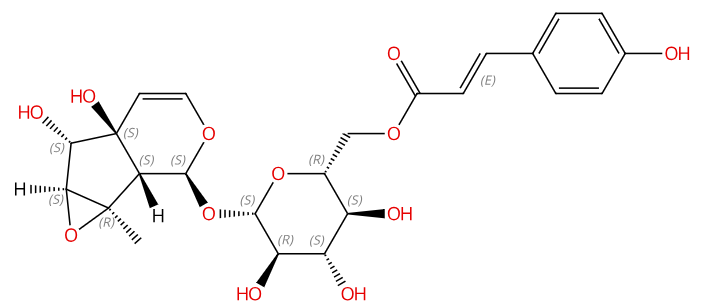
6''-O-(p-coumaroyl)procumbide
CAS No.:87686-76-8
MF:C24H28O12
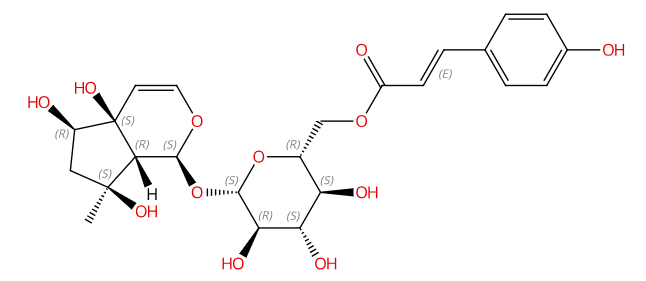
APC-1818
6′′-O-(p-Coumaroyl)harpagide
CAS No.:133561-42-9
MF:C24H30O12
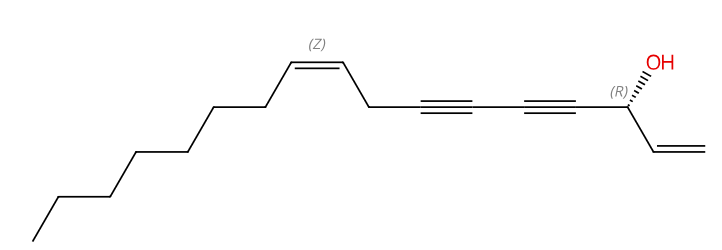
APC-1817
Falcarinol
CAS No.:21852-80-2
MF:C17H24O
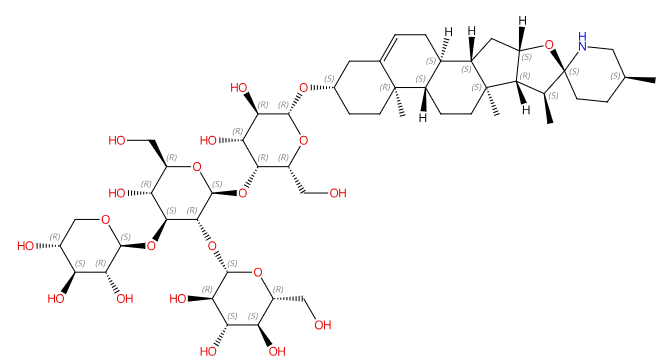
APC-1816
Dehydrotomatine
CAS No.:157604-98-3
MF:C50H81NO21
* Some statements have not been evaluated by national authorities.
* Some products are not intended to diagnose, treat, cure, or prevent any disease.
* For literature supporting, please contact us directly.
